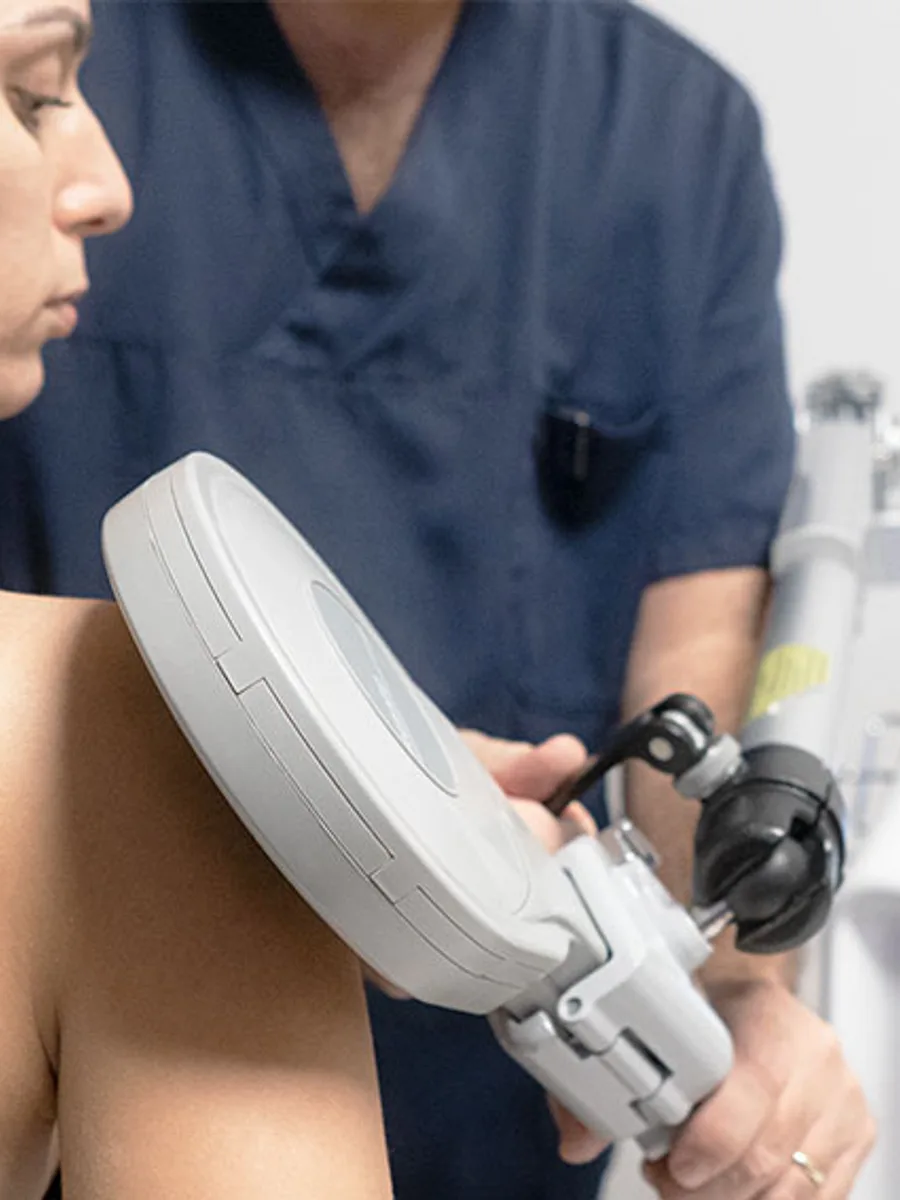
Lower back pain is one of the most common reasons patients come to our clinic. Some people are struck suddenly, while lifting something heavy or making an ordinary movement, while in others it creeps in from day to day as they sit at their desk. In most cases it is a condition that responds well to treatment, but it is important to recognise when the pain is a simple muscle strain and when it is a sign that must not be ignored.
In this article we explain why lumbago develops, which symptoms to watch for and how physical therapy helps you return to everyday life without pain.
What lumbago is and why it develops
Lumbago is the name for pain in the lumbar region, that is, the lower back. The pain may be dull and constant or sharp and stabbing, and it often worsens when you bend, stand up or stand for a long time. There is almost always one or more everyday causes behind it.
- Prolonged sitting and poor posture. Hours spent hunched in front of a computer put strain on the lumbar vertebrae and tire the muscles that support the spine.
- Muscle tension and spasm. A sudden movement, cold or overloading can trigger a spasm of the paravertebral muscles, which in itself is very painful.
- A herniated disc. When it softens and bulges, the intervertebral disc can press on a nerve root and cause pain that spreads down the leg.
- Weak core muscles and excess weight. An insufficiently strong abdominal and back muscle corset leaves the spine without support.
- Lifting a load abruptly. Lifting from a stooped position, with a bent back instead of from the knees, is a frequent trigger of an acute episode.
In most people the cause is a combination of these factors, so treatment is most successful when the whole picture is considered, not just the pain of the moment.
Symptoms and red flags: when to see a doctor urgently
Ordinary lower back pain usually eases within a few days to a few weeks. There are, however, signs that call for you to see a doctor immediately, as they may point to a more serious problem. In the profession we call these signs red flags.
- Loss of control over urination or bowel movements, or numbness in the groin and buttock area.
- Sudden weakening or paralysis of the leg, a dropping foot, loss of strength in the leg.
- Severe pain that spreads down one or both legs below the knee and does not ease with rest.
- Pain accompanied by a raised temperature, fever or unexplained weight loss.
- Pain that began after a fall, a blow or a traffic accident.
- Pain that is worst at night or does not settle at all even after several weeks.
If you recognise any of these symptoms, do not delay seeing a doctor. This article is informative and is not a substitute for a medical examination; only a specialist can give a proper assessment of your condition after examining you.
How physical therapy helps with back pain
Once serious causes have been ruled out, lumbago responds very well to treatment without surgery. The aim is not only to relieve the pain, but also to remove the cause and prevent recurrence. As part of physical therapy we combine several methods tailored to your condition.
- Reducing pain and inflammation. Physical therapy procedures relax tense muscles, improve circulation and calm the painful area, so you move more easily.
- Relieving the spine in the case of a herniated disc. When the pain comes from pressure on a nerve root, spinal decompression gently separates the vertebrae and creates space that relieves the disc and the nerve.
- Strengthening the muscle corset. Through kinesitherapy, under expert supervision, you learn exercises that strengthen the back and abdominal muscles and restore mobility, which is key to keeping the pain from returning.
- Targeted action on stubborn pain points. For chronic complaints and inflamed tendons, shockwave therapy can help, as it stimulates tissue recovery at a precisely defined spot.
We always draw up the treatment plan individually, according to the cause of the pain and your daily routine. Combining pain relief at the start with muscle strengthening later gives the most lasting results.
How to help your back every day
Alongside therapy, there is a great deal you can do yourself. These habits reduce the pressure on your spine and help the pain occur less often.
- Change position every 30 to 45 minutes and do not sit for too long at a stretch.
- Lift loads from a squat, with bent knees and a straight back, close to your body.
- Keep up moderate, regular physical activity, such as walking or swimming.
- Watch your body weight and the ergonomics of your workplace and chair.
- Do not stay in bed too long: with ordinary lumbago, moderate movement helps faster than prolonged rest.
Book an appointment at Rehability
If your back has been troubling you for a long time or the pain keeps coming back, do not put up with it and do not delay. At the Rehability clinic in Subotica we have been helping patients return to work, sport and everyday duties without pain since 2006. Take a look at all our services too, and to arrange an appointment call us on 024/522-150 or book an examination through the contact form. We will be glad to help you find the right path to recovery.